


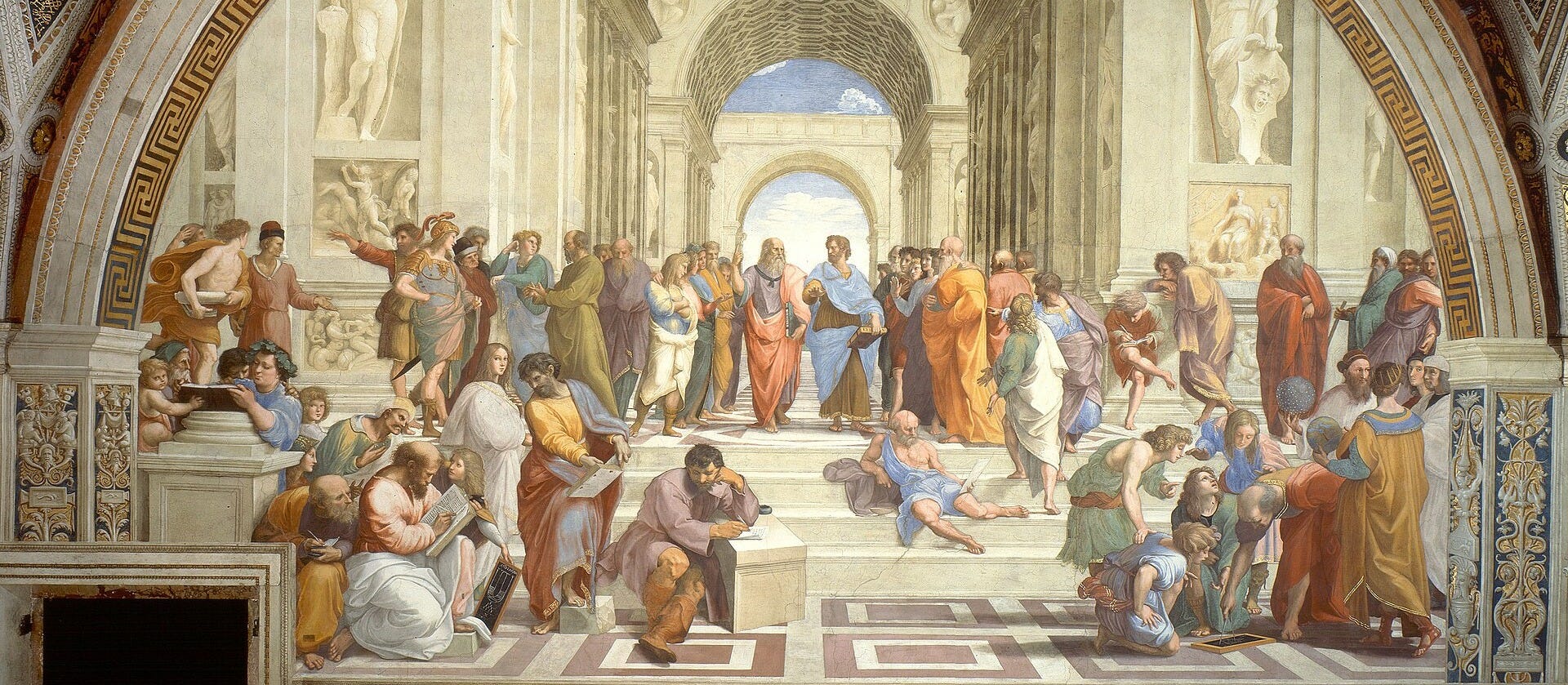
The Unfinished Creature
When Giovanni Pico della Mirandola imagined the Creation of Man, he identified a unique absence. Every other creature had already received its place. Plants had been given the power to nourish themselves, grow, and spread. Animals had been given sensation, appetite, and movement. Heavenly beings had been given intellect. The architecture of Creation appeared complete, and thus no station was left that belonged uniquely to Man.
According to Pico, God did not answer this absence by squeezing Man into a vacant corner, but by granting him something no other creature possessed: an unsettled nature. Man would stand at the center of Creation without a fixed form and without a predetermined rank. We can descend toward lower forms of life or rise toward higher ones. We can become plantlike, bestial, rational, angelic, or be drawn toward God. Our dignity doesn’t lie at the apex of Creation by virtue of our species alone. It lies in our ability to choose what sort of being we can become. God creates. Man becomes.1
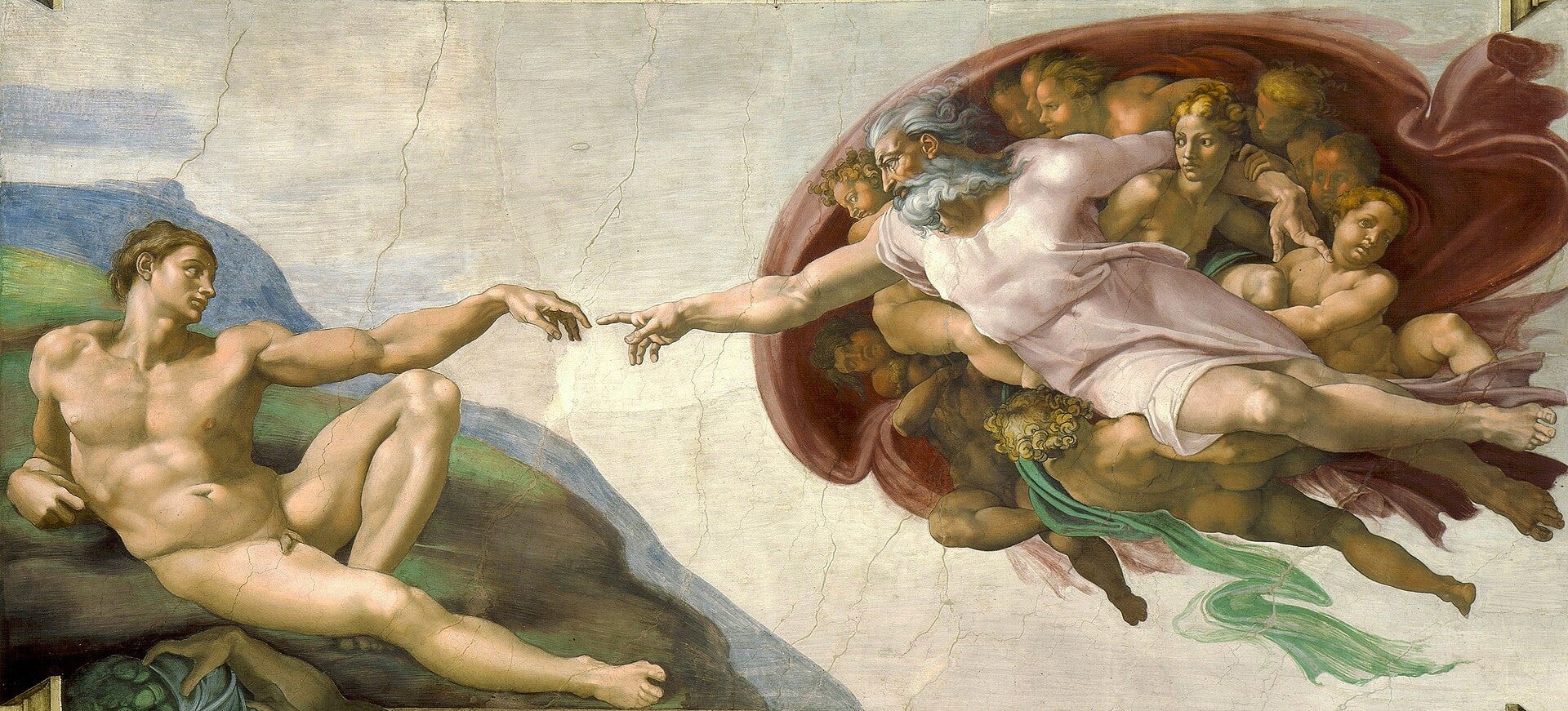
Five centuries later, amid the apprehension surrounding artificial intelligence and a world changing at bewildering speed, we find ourselves asking the same question: what are human beings capable of becoming? There’s comfort in recognizing that the struggle itself isn’t new. The instruments change; the human condition does not.
This is a more severe account of dignity than the word usually carries now. We tend to speak of dignity as a possession that cannot be lost, a status that commands respect regardless of conduct. That meaning has moral and political force. Yet Pico adds another dimension: dignity as a vocation, and therefore a risk. We’re capable of living beneath the possibilities of our nature. We don’t cease to be human when we do so, but we can fail to become fully what a human being is capable of becoming.
That possibility gives Pico’s fifteenth-century vision an unexpected relevance to the technological world. Debate usually begins with capability: what machines will do, which jobs they’ll displace, what powers they’ll place in human hands, and what dangers will follow. These questions matter, but they begin too late. Technology cannot tell us what human life is for. It enters a civilization that has already formed some answer—however confused or unspoken—and magnifies the consequences.
Technology and Civilizational Choice
Every major technological advance has widened the field of human choice. Agriculture created surplus and released some people from the unremitting demands of subsistence. From that abundance rose temples and schools, but also palaces and barracks. The same granary could sustain philosophy or empire. Technology enlarged the range of possible lives before anyone had settled which lives were worth pursuing.
Writing deepened the ambiguity. A spoken teaching dies unless memory carries it forward; a written one can cross generations, be disputed, refined, and inherited. Yet the tablet and scroll also extended taxation, census, decree, and surveillance. Plato’s suspicion of writing was not a rejection of literacy, but a warning that external memory can support good judgment—or quietly replace it.2
The printing press carried Scripture and classical learning far beyond the cloister and court, while multiplying polemic and rumor with equal efficiency. Industrialization eased many forms of labor, then reorganized daily life around clocks, wages, and consumption. The internet placed libraries and communities inside our pockets while building an economy around the capture of attention. At each stage, civilization acquired a superfluity of power before it acquired a settled wisdom about its use.
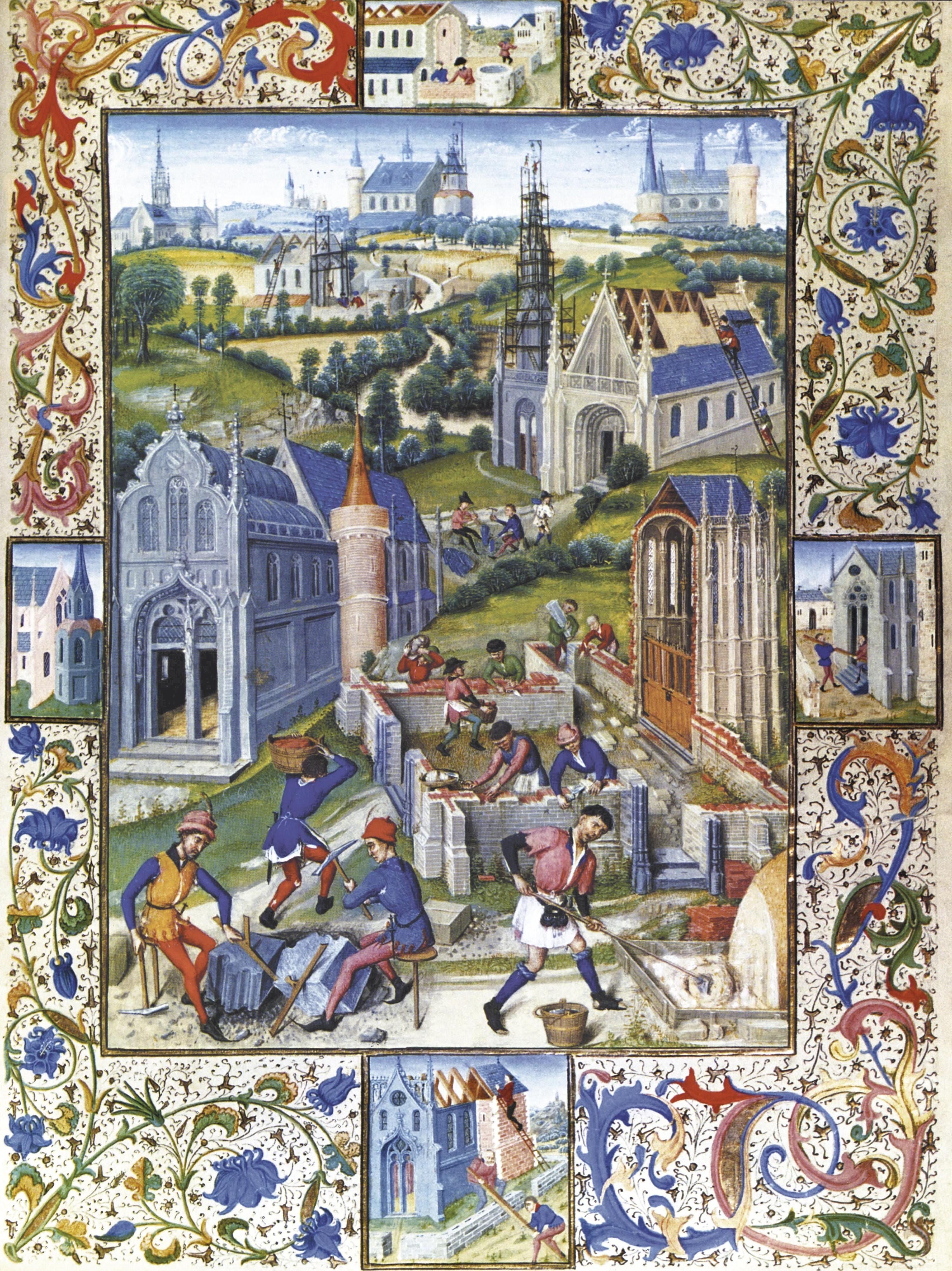
Technology neither corrupts nor liberates civilization by itself. It expands what civilization can do. Release from necessity may open time for worship, study, beauty, and political freedom; it may just as easily feed appetite, domination, distraction, and comfort. The instrument remains morally indeterminate because power arrives more readily than purpose.
Artificial intelligence brings this old pattern unusually close to human identity. Earlier machines chiefly displaced muscular effort or accelerated communication. Generative systems now enter reading, writing, memory, planning, judgment, and creation. Much of this is a genuine release from drudgery: there’s no moral value in formatting a document by hand or transcribing every routine meeting. A tool can spare attention without diminishing the person who uses it.
The difficulty lies in distinguishing tasks that serve a result from activities that shape the person performing them. Reading trains attention as well as extracting meaning. Writing forces thought into order and exposes what remains unclear. Deliberation matters because judgment often matures through delay. A machine may reproduce the visible result while leaving the underlying faculty undeveloped.
That distinction makes the central danger of AI easier to state. The most serious possibility isn’t that machines will replace humans, but that we will accept increasingly diminished forms of life because those forms are convenient, profitable, and easy to sustain. AI won’t create this temptation. It will enter a culture that already confuses freedom with frictionlessness, abundance with flourishing, information with wisdom, and appetite with identity. It may then make those confusions easier to inhabit.
The Vegetative Temptation
Pico’s hierarchy makes this danger easier to see. At its lowest level stands vegetative life: nourishment, growth, reproduction, continuation. These powers are indispensable. Trouble begins when maintenance becomes the horizon of existence. We may work, eat, sleep, purchase, entertain ourselves, and repeat the sequence indefinitely. Nothing catastrophic need occur. Life continues, perhaps comfortably and respectably, without clearly ascending toward anything greater.

The alarm sounds, and before leaving bed we reach for the phone. Twenty minutes disappear into headlines, messages, short videos, and advertisements selected from our history. A vape is close at hand. Work fills the day. Later, we meet friends at a bar first encountered in a post, perhaps the same friends whose names an app recently placed before us. We return home, scroll until we fall asleep, and begin again. Nothing in this day is especially wicked. Its danger is that so little of it bears our authorship.
No one deliberates from first principles about every meal, route, purchase, or sentence. Habit, custom, and trusted authority have always reduced the burden of choice. Older mediation, however, was often intelligible and socially embedded: we knew the family custom, teacher, priest, craftsman, or institution shaping a decision. Algorithmic mediation is opaque, adaptive, and commercially interested. It studies our behavior, then returns a world designed to keep it going.
The result can be a kind of intellectual vegetation. The mind remains active enough to process stimuli but seldom directs them for long. It reacts, comments, consumes, and moves on. Novelty is abundant; recollection is weak. Information is constant; thought is fragmented. We may know of many things while understanding few. The system supplies movement, and our inner life mistakes movement for growth.
Generative AI concentrates the same risk. We can produce artifacts of thought without undergoing the discipline by which thought is formed: arguments we did not develop, conclusions we cannot defend, styles we have not earned. Articulation outruns understanding. The tool increases our capacity to produce intellectual objects while potentially weakening our capacity for intellectual life.
Convenience isn’t an evil in its own right, but it is an inadequate measure of progress. Some friction is waste; some is the resistance through which a faculty develops. Recall strengthens memory. Composition reveals confusion. Sustained reading trains attention. Difficult choices mature judgment. A civilization devoted to removing every obstacle may also remove the occasions through which agency is formed.
The vegetative temptation is passive, but it rarely remains alone. Systems that reduce deliberation also learn how to stimulate appetite. Passivity and appetite fit together easily: the algorithm selects, and desire responds. We need not pursue excess with much determination when temptation arrives continuously, personalized to our history and timed to our weakness.
The Bestial Temptation
Pico’s bestial possibility doesn’t condemn appetite itself. Hunger, pleasure, anger, and sexual desire belong to human nature. The descent occurs when these appetites cease to be governed and begin to govern us. An animal follows appetite without degradation because it has no higher vocation to betray. We do.
Modern culture often obscures this distinction by treating desire as revelatory. To discover a desire is frequently understood as discovering an authentic self. The desire may need to be reconciled with the claims of others, but it’s seldom judged against any higher standard beyond consent, harm, or health. Restraint must explain itself; expression usually does not. Pico reverses that presumption. Desire belongs to the material from which we are formed, but it cannot serve as the final judge of what we ought to become.
The internet is often described as an attention economy. The description is true but incomplete. Attention matters because it precedes choice, and competitive advantage increasingly belongs to those who can identify, cultivate, personalize, and monetize temptation. What has emerged might be called a temptation economy: an economy that doesn’t just answer desire, but studies our moral deficits and makes them easier to indulge.
The commodities differ in gravity—gambling, pornography, processed food, outrage, luxury, endless novelty, artificial companionship—but the logic is the same. Profit follows those who can make vice frictionless. The economy has always traded on human wants; it now possesses unprecedented means to discover where each of us is weakest and to return at precisely that point.
We’re formed by a double movement. Deliberation recedes while appetite is studied and intensified. We become passive before choice and active before impulse. Modern life can therefore feel both exhausting and inert: constant motion without clear direction, activity without self-government.
Civilizational hedonism requires no spectacular excess. It appears when pleasure, comfort, recognition, and release from obligation become the dominant image of a good life. A society reveals its anthropology through its promises: work culminates in consumption, technology in convenience, relationships in emotional satisfaction. Even discipline becomes a technique for optimizing pleasure.
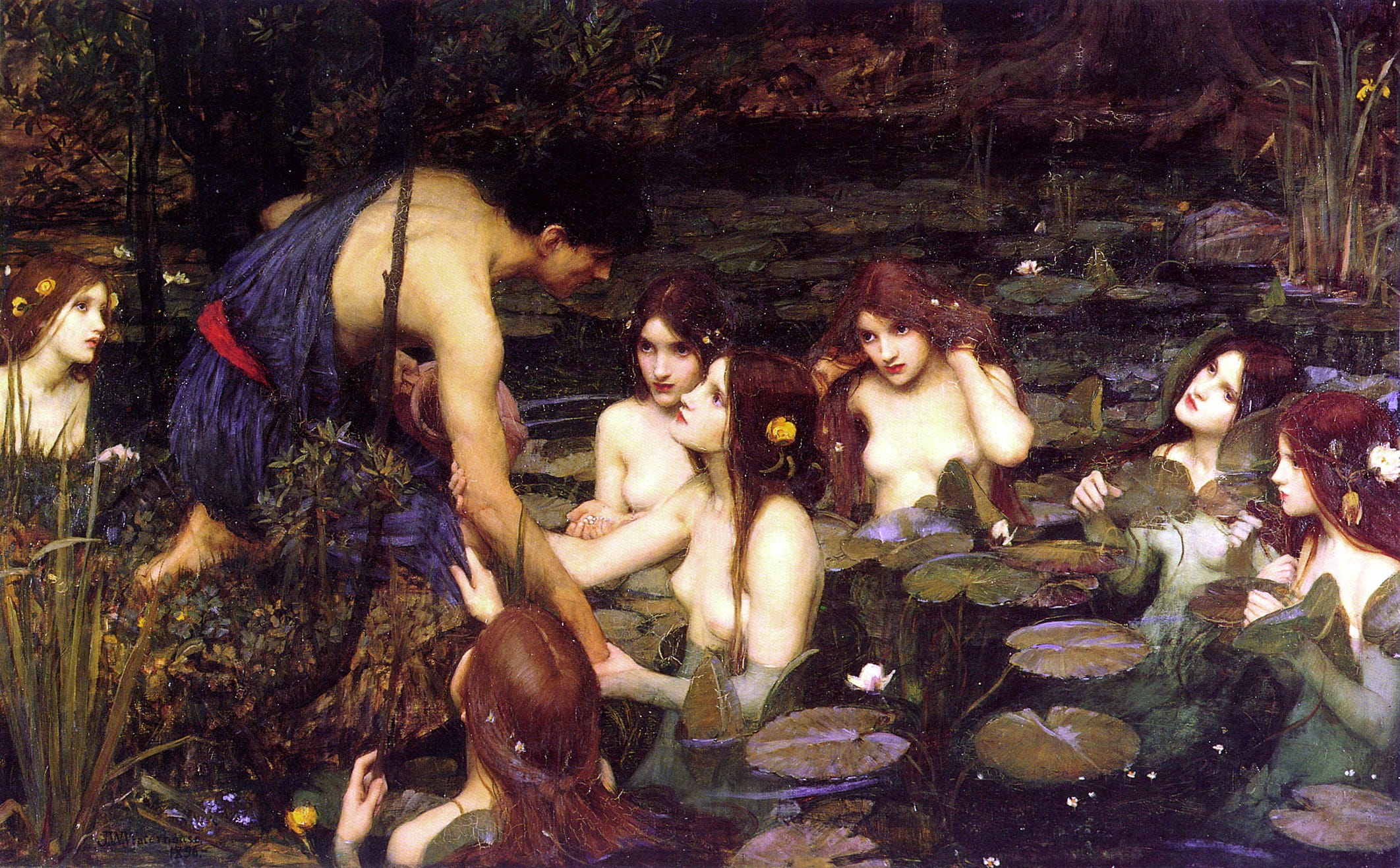
Pleasure has a rightful place in human life. A Christian account of the person need not be hostile to the body, food, sexuality, celebration, or beauty. The mistake lies in allowing pleasure to govern rather than accompany a life worth living. Detached from the purposes it properly serves, pleasure becomes a sovereign principle. A bestial life is therefore not one that contains pleasure, but one that cannot explain why any pleasure should ever be refused for the sake of something higher.
At this point, many modern accounts of freedom begin to defeat themselves. Freedom is defined as release from inherited restraint, but release from every discipline doesn’t leave us ungoverned. Appetite takes the vacant place, and appetite is highly governable by anyone able to predict and stimulate it. Consumers who reject moral authority may become easier to direct through recommendation, status, fear, and desire. Formal autonomy can still coexist with profound behavioral dependence.
Artificial companions are especially revealing. Another person may misunderstand, resist, demand, withdraw, forgive, or require sacrifice. An artificial companion can be designed to remove those difficulties, offering attention without independent need, affirmation without real judgment, and intimacy without the risk of another free will. Such systems may relieve loneliness in limited circumstances. Their commercial logic, however, points toward a relationship optimized around the user’s appetite.
The danger is not chiefly that people will mistake software for a human being, though some may. Most will understand the difference and may still prefer the simulation because it’s easier. That preference exposes the underlying choice. Human relationships form us partly because they require an encounter with realities beyond immediate satisfaction. A companion designed around our preferences may provide emotional stimulation while shielding us from the demands through which love matures.
The vegetative and bestial lives therefore converge in a technologically advanced society. One relinquishes authorship of our lives; the other surrenders it to appetite. Algorithmic systems benefit from both. They reduce the need for deliberate choice, then fill the resulting passivity with stimuli calibrated to desire. We can descend without rebellion, violence, or visible collapse. We need only accept the next recommendation often enough.
The Rational Trap
Reason can interrupt this cycle. It examines desire, rejects defaults, imposes order, and builds institutions that protect agency. Law, science, medicine, engineering, and administration restrain appetite, settle disputes, preserve knowledge, and secure enough peace for worship, education, art, and philosophy to survive.
This is a real ascent. It should not be minimized by those eager to move beyond it. A society incapable of rational order doesn’t become contemplative; it becomes chaotic. A monastery requires walls. A school requires discipline. A philosopher requires enough peace to think. Civil order, scientific knowledge, and competent administration are not enemies of higher life. They’re often its preconditions.
Yet Pico’s hierarchy doesn’t end with the competent citizen, scientist, manager, or technologist. Reason remains discursive and practical. It distinguishes, calculates, organizes, and directs means toward chosen ends, but cannot by itself establish which ends are worthy. We may be disciplined, informed, productive, and civically responsible while remaining enclosed within temporal concerns. An entire life can be spent efficiently arranging pursuits whose ultimate value is never examined.
Political life reveals the same limitation. Rational administration can reduce disorder, distribute services, regulate risk, and increase material welfare. Yet it can make citizens healthier, safer, and more productive without asking what those achievements are meant to serve. It protects the conditions of life while quietly reducing life to those conditions.
This is the rational trap in its most attractive form. Nothing appears disordered. Trains run, paperwork moves, risks are scored, and daily life grows increasingly seamless. Society may even be humane in immediate respects. The danger lies in treating every exigency as technical and every aspiration as administrable. What cannot be counted becomes difficult to defend; what cannot be optimized begins to look ornamental. Contemplation, reverence, beauty, sacrifice, and sanctity survive, if at all, as private preferences rather than shared ends.
Technocracy begins by recasting every human aim as a problem of management. Education becomes workforce preparation; health, the optimization of function and longevity; politics, the administration of interests and risks. Culture becomes content, religion a source of cohesion or private well-being. Human beings appear as units whose needs can be predicted and balanced within a system that never asks whether anything lies beyond it.
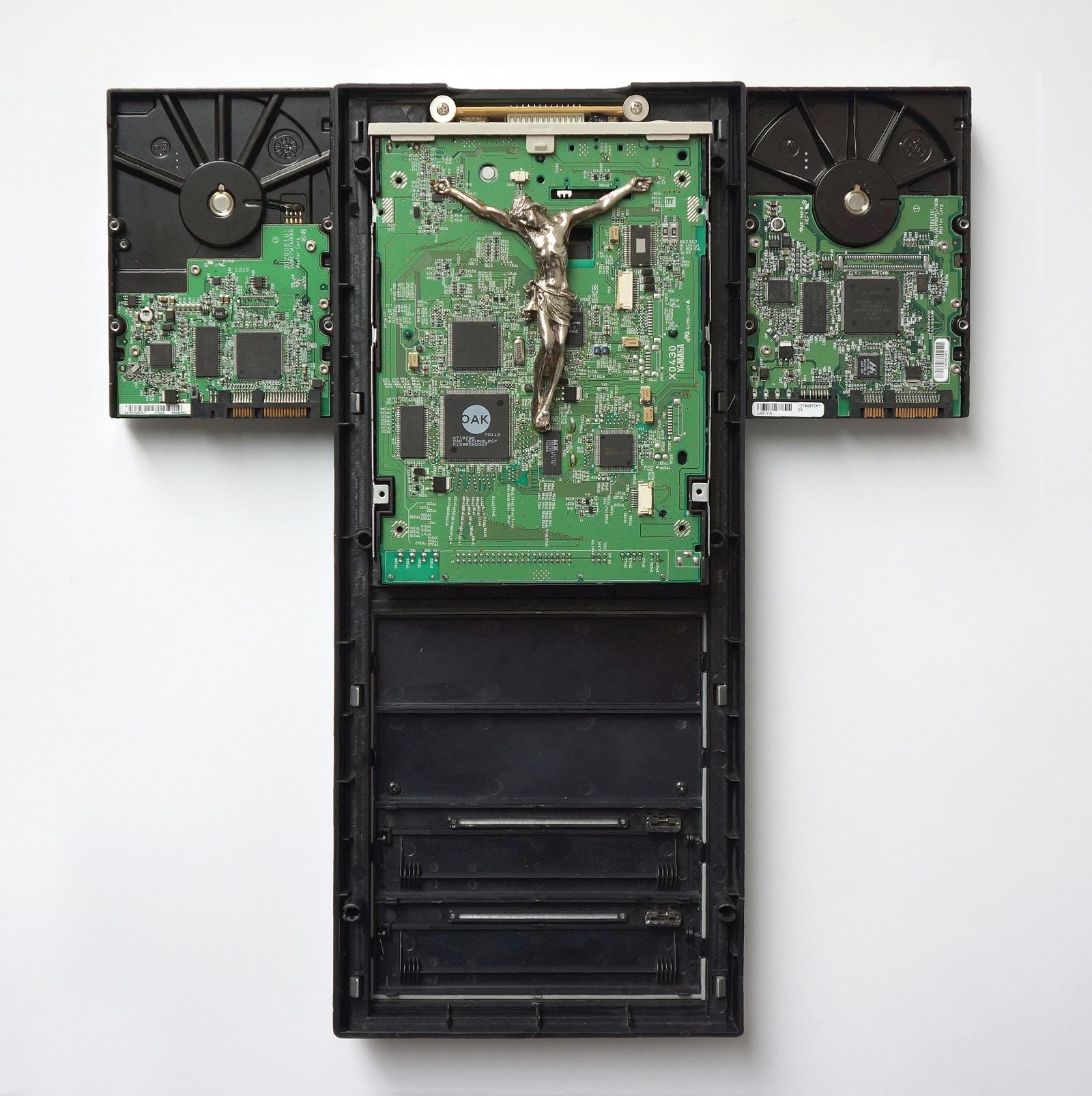
Such a civilization may be orderly and still remain spiritually thin. It can restrain destructive appetites while reducing human beings to economic usefulness, psychological stability, and responsible citizenship. Its ideal person is informed, credentialed, employable, healthy, tolerant, and legible to institutions. These are real achievements, but they do not exhaust the human vocation.
AI fits this rational ideal almost perfectly. It excels at instrumental reason: detecting patterns, predicting outcomes, allocating resources, and coordinating means at a scale no unaided mind could manage. Once this form of intelligence is treated as the highest one, AI inevitably appears either as humanity’s superior successor or as the perfection of the civilization we’ve been building.
Much anxiety about human obsolescence rests on this narrowed anthropology. If our highest function is to process information and produce outputs, a system that does so faster and more cheaply does threaten our status. Pico rejects the premise. Calculation isn’t the highest activity of the soul, nor reason the summit of human possibility. A machine may outperform us instrumentally without approaching contemplation, wisdom, worship, or love of what is worthy.
None of this resolves the social problem of displacement. People still require material security, honorable work, and a place within a shared order. But it changes the philosophical meaning of the problem. A society that has made employment the principal source of identity will experience automation as an assault on personhood. A society that understands work as necessary but subordinate may instead ask whether automation can restore time for family, local obligation, craftsmanship, study, worship, and contemplation. The same technological change becomes either a crisis of uselessness or an opportunity for higher life, depending on the view of the human person already in place.
Reason is therefore preparatory. Law restrains the conditions that make contemplation impossible. Education forms judgment; science discloses aspects of Creation; prosperity can create leisure; administration can protect peace. These achievements are justified partly by the suffering they prevent, but also by what they make possible beyond order. A rational society succeeds when it opens upward rather than closing the horizon around efficient management.
Favorable conditions don’t guarantee ascent. Leisure can collapse into entertainment, education into credentialing, peace into complacency, prosperity into consumption. Rational order removes obstacles to higher life while making it comfortable to settle beneath it. Pico describes the height available to us, but he doesn’t name the virtue of refusing to stop short. For that, Thomas Aquinas’s treatment of magnanimity is indispensable.
Magnanimity
Modern speech often reduces magnanimity to confidence, ambition, or an inflated sense of importance. Aquinas means something more exacting. Following Aristotle, he treats greatness of soul as the virtue that enables us to undertake great things without lying to ourselves about our stature. Magnanimity neither exaggerates nor disowns what has been given. It accepts the responsibility attached to those gifts.3
Magnanimity can therefore coexist with humility. Humility corrects false elevation by reminding us that our gifts are received, limited, and dependent upon God. Magnanimity corrects false abasement, preventing humility from becoming an excuse to neglect those gifts or evade their duties. One guards against claiming too much; the other against attempting too little.
Aquinas can hold them together because greatness need not imply self-creation. We may recognize unusual intelligence, courage, authority, wealth, or opportunity without treating ourselves as the source of those gifts. Recognizing their source only increases the obligation to use them well. The issue is not whether we are entitled to feel superior, but what these capacities require of us.
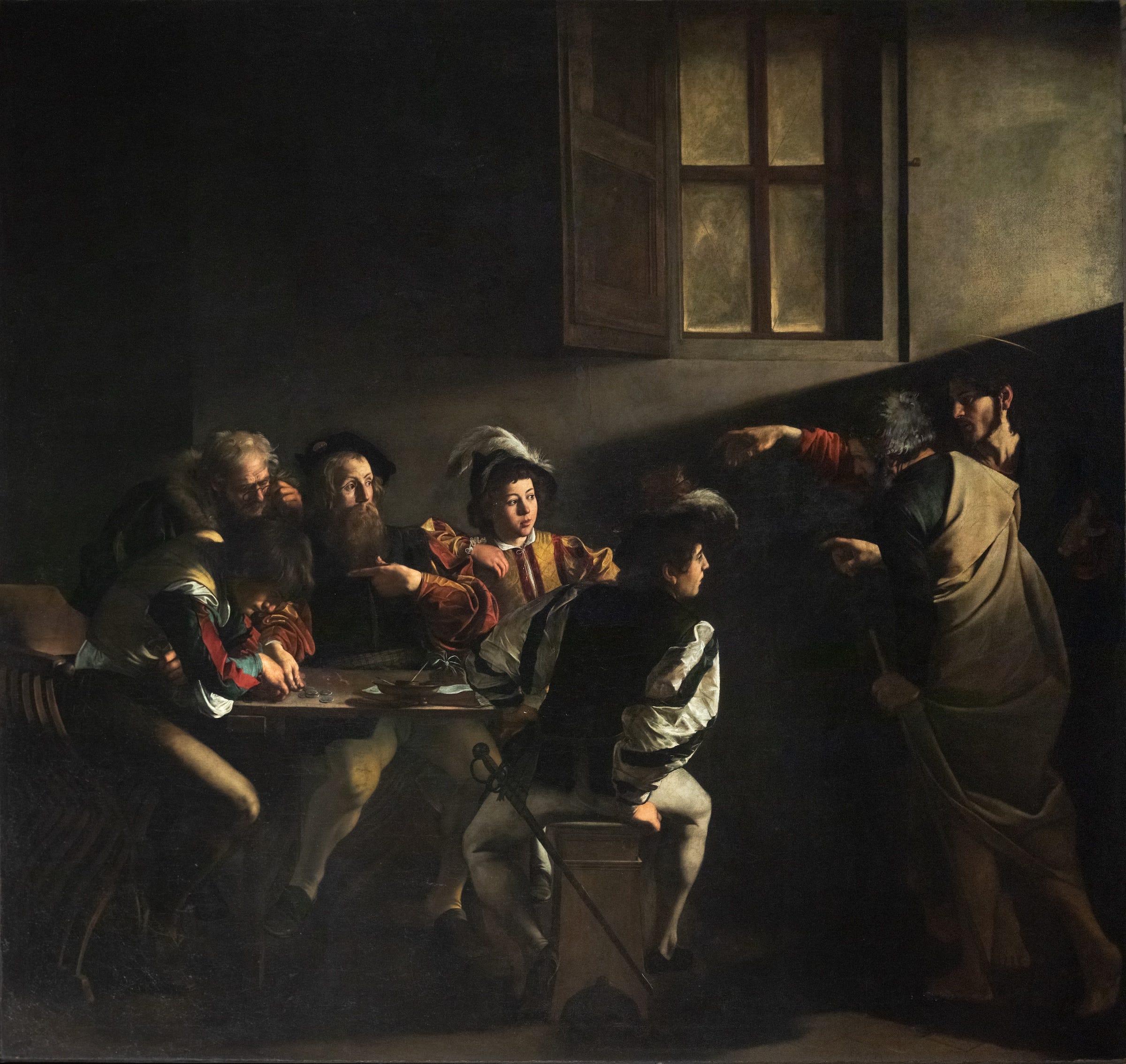
Its opposing vice is pusillanimity, or smallness of soul: the refusal to pursue a worthy end within our capacity and vocation. Fear, laziness, comfort, or distorted humility can make us shrink from what we could, or ought to, become. A lesser life is chosen despite the availability of a greater one.
Prosperous societies make this vice easy to miss because it often resembles prudence. A difficult calling is declined because the timing is imperfect. An artist leaves a talent uncultivated because the rewards are uncertain. Someone entrusted with unusual opportunity retreats from responsibility because private comfort is more predictable. None of these choices is contemptible in isolation. Pusillanimity emerges insensibly, through a succession of defensible retreats, until life has become smaller than the gifts entrusted to it.
Pico describes the freedom to ascend; Aquinas identifies the vice of declining it. Their combination sharpens the meaning of dignity. Dignity isn’t fulfilled by avoiding obvious degradation alone. We may resist appetite, maintain respectable habits, and perform our civic duties while still refusing the higher use of our faculties. Even a disciplined and rational life can become pusillanimous when competence is used to avoid contemplation, service, sacrifice, or truth.
Technology makes vanity and pusillanimity easier to disguise. We can produce more while forming less, appearing capable without accepting the discipline through which capability becomes real. Generative systems supply polished language, plausible arguments, competent designs, and strategic recommendations. Credit may then attach to an excellence we have not cultivated. This is technologically assisted vanity: the appearance of greatness without its substance or responsibility.
The opposite error is to abandon cultivation because the machine can perform the task. Why learn to write if a system writes? Why remember if everything can be retrieved? Why develop judgment if recommendations are usually adequate? Why attempt difficult creation when a prompt produces something acceptable? This is technological pusillanimity: not the false claim to greatness, but the quiet renunciation of the effort it requires.
Magnanimity rejects both responses. It permits tools while retaining responsibility for genuine excellence. The test is whether assistance enlarges our capacity to undertake worthy things or only increases what we produce. A writer may use search or criticism while remaining responsible for thought and style; a scientist may extend inquiry through computation without surrendering judgment; a ruler may use prediction without mistaking it for justice. The tool remains subordinate to the vocation.
The concept extends from individuals to civilizations. A society such as the United States may possess extraordinary wealth, intelligence, technical power, and institutional capacity while directing much of it toward trivial ends. The same ingenuity that cures disease, preserves knowledge, and reduces drudgery can be devoted to advertising, surveillance, and consumption. The deficiency is not power but purpose.
A magnanimous civilization would ask what worthy ends its abundance makes possible. Output, convenience, longevity, and growth would remain measures of success, but never the only ones. Its schools would pursue wisdom as well as credentials. Its cities would make room for community and beauty as well as movement. Its technologies would preserve agency rather than exploit appetite. It would support worship, scholarship, art, family, and public service because freedom from necessity creates obligations as well as pleasures.
This is the moral center of choosing dignity. Lower forms of life must be governed, but restraint cannot complete us. Rational order must be preserved, but competence cannot be the summit. Magnanimity turns the hierarchy upward by refusing every lesser destination. It asks us to become equal to gifts we did not create and to direct them toward purposes worthy of their Source. Yet greatness of soul still leaves one question unanswered: greatness for what?
Pico’s answer is contemplation. Aquinas likewise places contemplation above practical activity, not because action is worthless, but because action finds its completion in truths and realities that cannot be manufactured. Magnanimity refuses to live beneath our capacities; contemplation gives those capacities their highest end. A rational society and a magnanimous soul must finally open into leisure, contemplation, and God.4
Leisure and Contemplation
Modern use has thinned the word leisure into the interval between periods of work: rest, entertainment, travel, private consumption. Josef Pieper recovered an older and more demanding meaning. Leisure isn’t inactivity but receptivity. It’s our willingness to encounter reality without converting it into a task, commodity, instrument, or advantage. Worship, philosophy, art, celebration, and serious friendship depend upon that openness.5
Technology can create free time without creating leisure. Hours saved from one task are readily absorbed by new work, consumption, or distraction. Institutions decide whether efficiency becomes higher quotas, lower costs, greater profit, or freedom from unnecessary labor. We decide whether a free hour becomes attention to truth or another interval of stimulation. Empty time is not yet humane time.
Contemplation gives leisure its direction. For Aquinas, the contemplative life seeks truth for its own sake and reaches its highest form in God. Practical activity remains necessary. We must provide, govern, heal, build, teach, and serve. Yet action cannot justify itself indefinitely. It finds completion in realities that can be known, loved, and enjoyed rather than produced. Practical activity secures peace; contemplation receives what makes peace worth securing.
Pico places intellect above reason for the same reason. Reason proceeds step by step, comparing and inferring as it arranges means. Intellect apprehends a truth the mind cannot manufacture. An angelic life is therefore more than advanced problem solving. It turns away from domination and toward participation in a reality greater than the self. Speed, scale, output, and market value cannot measure its highest activity because production isn’t its end.
This ideal isn’t reserved for scholars or cloistered monks. Contemplation may occur in philosophy and theology, but also in worship, craftsmanship, attention to nature, serious conversation, and the patient apprehension of another person. Its defining feature is orientation, not social rank. To contemplate is to receive a reality that doesn’t exist solely for our personal use—to be present without immediately consuming and to love without demanding conformity to preference.
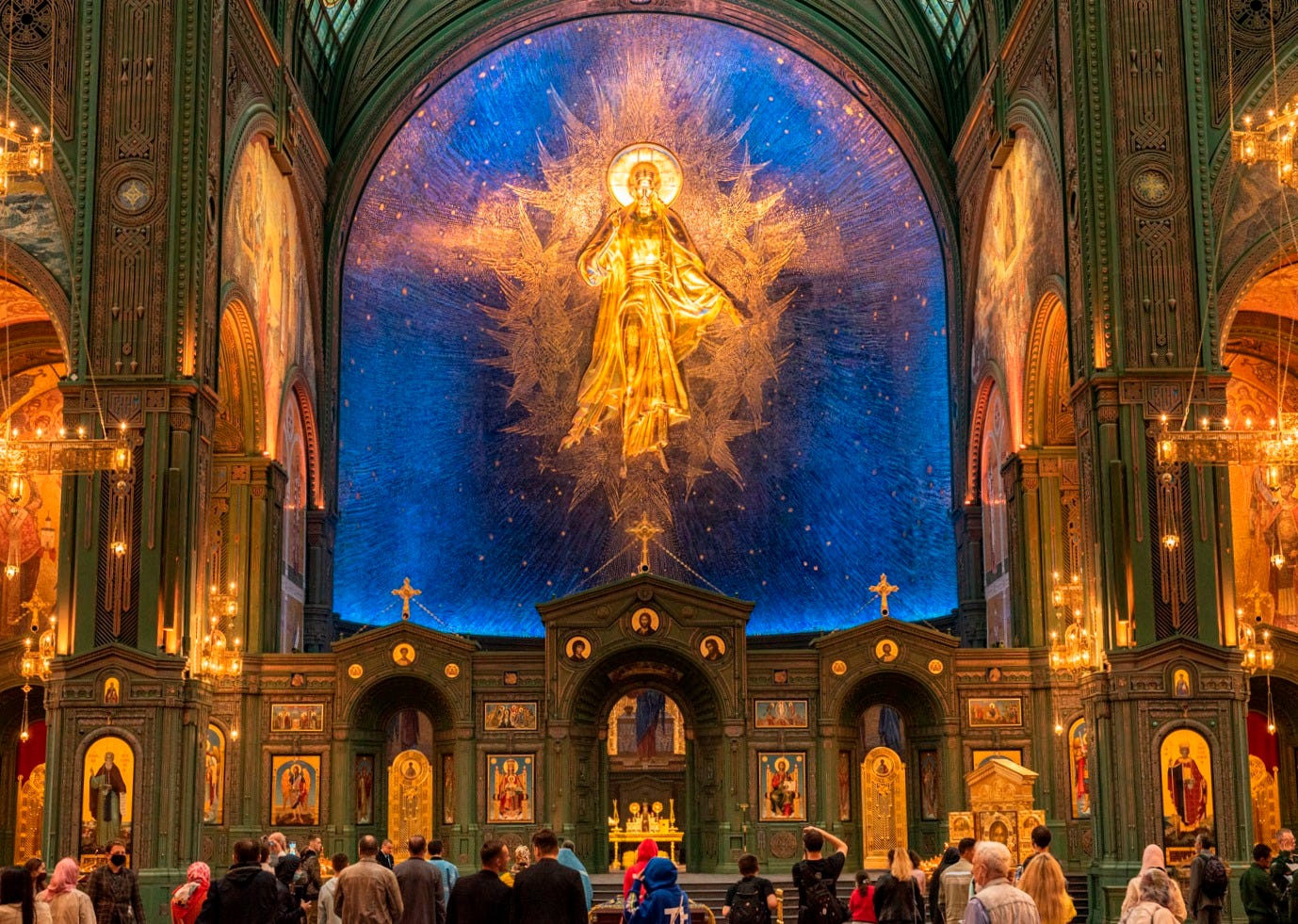
Such receptivity is increasingly countercultural. Modern systems train the eye to scan, the hand to dismiss, and the mind to ask what can be extracted. Contemplation suspends that reflex. A cathedral, a fugue, a theorem, a face, or a field at dusk needs no justification through utility. Its plenitude appears only to attention patient enough to receive more than it came seeking. Contemplation isn’t withdrawal from reality, but a more capacious encounter with it.
This capacity places limits on automation. The important distinction is between tasks valued chiefly for their result and activities whose performance helps constitute their worth. Formatting a document may be delegated; reading a difficult book is different because the encounter itself forms us. A summary may assist, but cannot replace, sustained attention. Prayer cannot be automated because turning toward God is inseparable from the person who prays. Friendship cannot be reduced to delivered affirmation because mutual freedom and obligation belong to friendship itself.
Education makes the distinction plain. A student may use AI to clarify a passage, test an interpretation, or expose weakness in an argument. The tool then supports intellectual ascent. When it produces the assignment instead, it removes the struggle through which thought takes shape. The institution may receive a competent product while the student is spared the formation education exists to provide. A system built to measure outputs will struggle to recognize the loss: the visible artifact improves while the invisible faculty declines.
Work presents a similar choice. AI can remove clerical burdens that consume the attention of physicians, teachers, engineers, and clergy, returning them to the judgment and presence at the heart of their vocations. It can also intensify surveillance, standardize discretion, and raise production targets until every saved minute is reclaimed by the institution. Increased productivity is not enough. It must remain subordinate to the human purposes the work was established to serve.
The decisive choices will be institutional as much as personal. Schools can deepen inquiry or permit the evasion of learning; employers can turn automation into leisure or raise expected output; platforms can foster discovery or capture attention. Governments may use prediction as an aid to judgment or let it displace responsibility. Religious and cultural institutions face the broadest task: articulating ends higher than convenience, growth, and psychological comfort.
Choosing Dignity
Choosing dignity begins with recovering authorship of our own lives. It asks us to distinguish between what occupies us and what forms us, between conveniences that free us for higher pursuits and those that quietly begin writing our lives for us. We should resist uses of technology that attenuate attention, judgment, memory, friendship, worship, and love—not because technology is evil, but because these capacities are too valuable to surrender.
The same responsibility belongs to our institutions. Schools, markets, governments, churches, and families must decide whether new technologies will deepen human agency or merely optimize consumption and compliance. Every civilization reveals what it believes human beings are for through what it rewards, what it automates, and what it leaves us time to pursue.
Five centuries ago, Pico imagined humanity standing at the center of Creation without a predetermined place. Today we stand surrounded by powers he could scarcely have imagined, yet the decisive question is unchanged. Every increase in power enlarges the possibility of ascent and descent alike. We inherit extraordinary tools, but we do not inherit the wisdom to use them.
No technology can become us. That remains our task.
Thanks for reading! If you believe the West is worth saving, then The Oak Remains is for you.
I write to uncover truth, restore forgotten foundations, and chart a way forward through faith, history, and first principles.
Want to support this work directly? Buy me a coffee or consider upgrading your subscription to help keep the lamp lit.
The Oak Remains is a reader-supported publication. To receive new posts and support my work, consider becoming a free or paid subscriber.
Giovanni Pico della Mirandola, Oration on the Dignity of Man, trans. A. Robert Caponigri (Regnery, 1956). The opening section presents Man as created without a fixed place or nature and therefore capable of ascent or descent.
Plato, Phaedrus, 274c–275b, especially Socrates’ account of writing as an aid that may produce recollection without living understanding.
Aristotle, Nicomachean Ethics, IV.3 (1123a34–1125a35); Thomas Aquinas, Summa Theologiae, II–II, qq. 129–133, on magnanimity, its relation to humility, and the vice of pusillanimity.
Thomas Aquinas, Summa Theologiae, II–II, qq. 179–182, especially q. 182, a. 1, on the contemplative life in relation to the active life.
Josef Pieper, Leisure: The Basis of Culture, trans. Gerald Malsbary (South Bend, IN: St. Augustine’s Press, 1998).